
Bonding Children to School, Building Bonds to Their Futures

A solid foundation helps a structure last: it’s true of buildings and it’s true of education. The challenge for educators is to bond children more firmly to the foundation their school and teachers create for them.

“Many kids, especially in First Nations, start to lose interest in school between Grade 5 and Grade 8,” says Gwen Machnee, university and research coordinator at Parkland College in Saskatchewan. “That’s when they start skipping, and the more they do, the harder it is for them. School keeps moving on and they get left behind.”

That four-year window before high school is the target of the Community and College Social Innovation Fund project Parkland and two partners are working on for the next two years. Together with the Good Spirit School Division and Yorkton Tribal Council, the researchers will study school bonding and attachment, looking for ways to help keep kids in school through their teenage years. The project is funded by the Social Sciences and Humanities Research Council.

How to keep children interested in education is particularly important to First Nations communities, because their children have much higher attrition rates than non-Aboriginal youth, Machnee said. Saskatchewan as a whole has low graduation rates, at about 75 per cent (across Canada, rates are between 80 and 85 per cent). Among Saskatchewan’s First Nations, only 33 per cent graduate from high school.

First Nations children also tend to leave school younger, between grades 7 and 9, but most research on leaving school prematurely looks only at high school students, Machnee and her team have found. “There’s almost nothing on the middle-school years,” she said. “Everyone just assumes if they are involved in extra-curricular activities they’ll be fine. And no one has looked at First Nations anywhere.”

The team is trying to learn what factors bond children to their schools — what makes them feel they belong, and should keep going back.

To find the answers, the project is using a questionnaire, which asks children to rate, from one to four, statements such as “I feel like a real part of my school,” “People here notice when I am good at something,” or “I would not be sad if this school closed.”

In addition to being available on paper on and online, the questionnaire will be administered in schools by students from Parkland College’s teaching and social work programs. In many cases, they will be from the communities they are studying; their own children may attend the schools.

Machnee does not know what the findings will be, but she has a sense many children don’t think anyone cares whether they are in school or not. If someone shows that they do — and it might be a teacher, or it might be their bus driver or the janitor — and the child feels they matter, then school starts mattering to the child.
Funded by: College and Community Innovation Program

About Suncrest College

Suncrest College was established in 2023 after the merging of Cumberland College and Parkland College, two regional colleges in Saskatchewan. The creation of Suncrest College... Learn more

DNA Research Safeguards Beer Brands

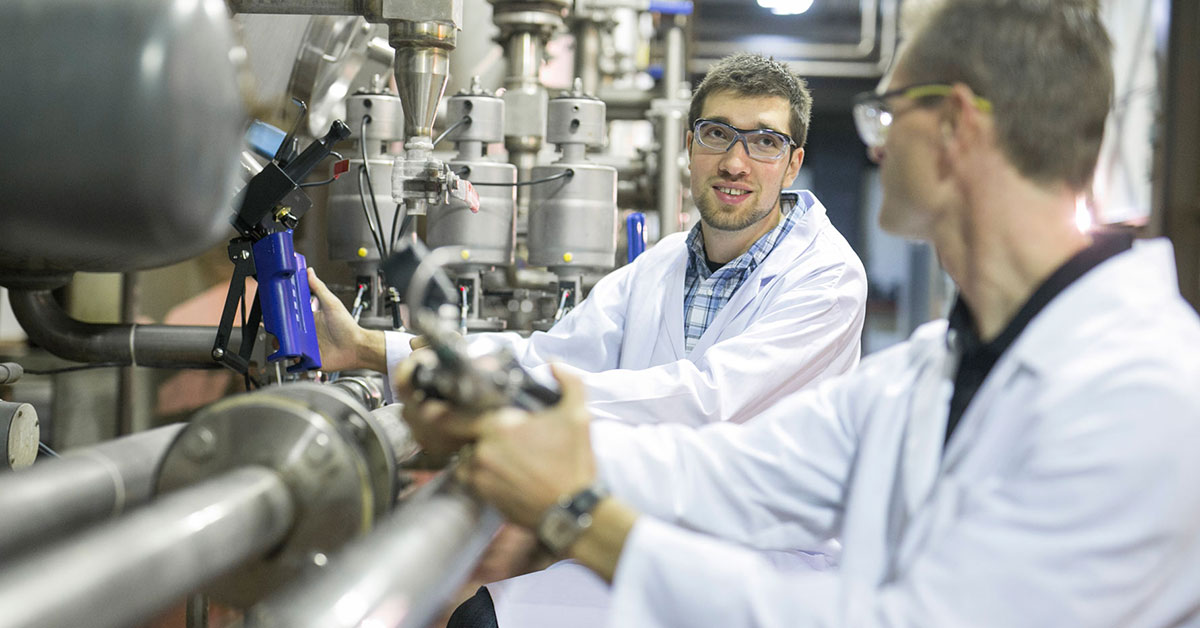
Yeast’s ability to convert sugar into alcohol and carbon dioxide is critical to the beer-making process. So when Saskatoon’s Great Western Brewing Company (GWBC) set out to identify and protect the yeast strain that is essential to the production of its beer brands, it teamed up with Saskatchewan Polytechnic’s BioScience Applied Research Centre.

The centre assists businesses and industry to test new products, techniques, and technology and helps them to become market-ready faster. GWBC was able to tap into the centre’s expertise and resources through a CCI Applied Research and Development grant.

Under faculty supervision, BioScience Technology students collected DNA from GWBC’s yeast and compared it with catalogued yeast strains in an effort to develop a genetic profile of the firm’s yeast culture. Once the company’s strain is identified, GWBC plans to deep-freeze a sample of the yeast culture off-site to protect it and ensure the continuity of the company’s beer brands.

“Saskatchewan Polytechnic has the expertise, equipment, and technology to identify the yeast’s genotype,” says Anita Fuller, Manager of Corporate Quality Assurance for GWBC. “This baseline information is critical to recovering the yeast if it were damaged or contaminated in a crisis, such as a fire or flood.”

Learn more.

Industry: Food

About Saskatchewan Polytechnic

Saskatchewan Polytechnic serves students through applied learning opportunities on Treaty 4 and Treaty 6 Territories and the homeland of the Métis people. Learning takes place... Learn more

3D Imagery Helps Students Learn How to Give Needles

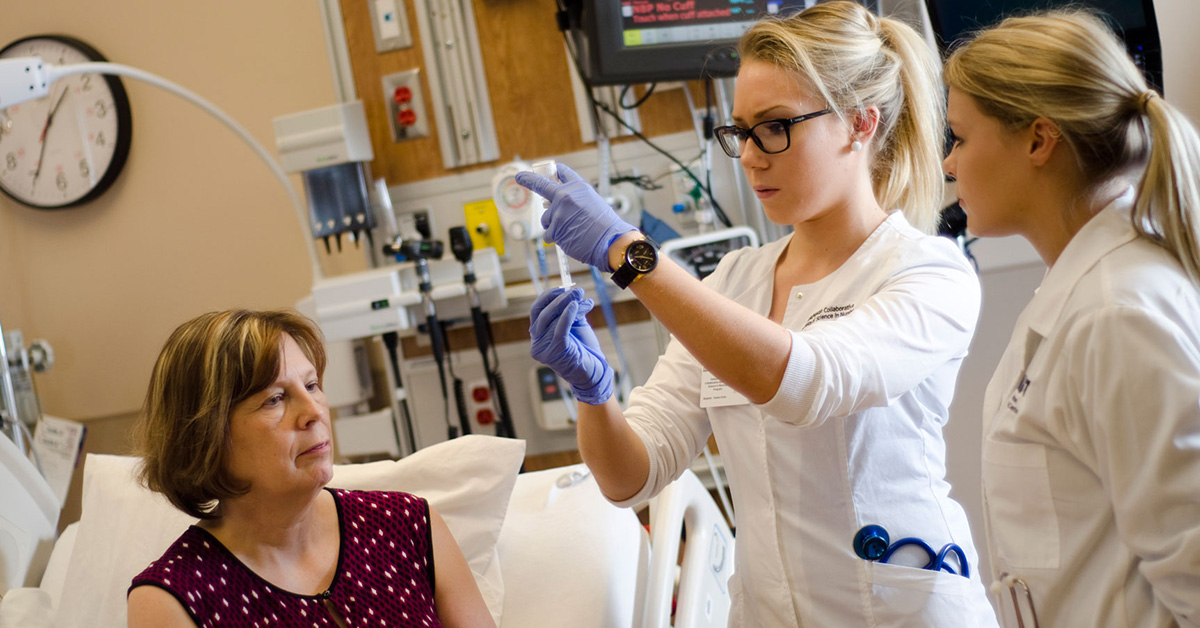
Health care students know that practice pays off when it comes to learning how to give a needle or insert an intravenous line. But what if new 3D sensory technology could provide feedback on whether or not students are turning their hands at a correct angle or applying suitable pressure when they’re carrying out these clinical procedures?

It’s an area of research that prompted Saskatchewan Polytechnic to team up with IRG Informatics Inc., a Canadian health information management company. The company wanted to test hardware and software that track and analyze body mechanics, such as coordination, dexterity, and fine-motor movement. IRG and the polytechnic had nursing students and faculty perform intramuscular injections on mannequins of varying sizes – paediatric, adult and geriatric – using 3D imagery.

IRG is now patenting the technology and plans to incorporate it in a highly sensitive training device, such as a sensor-embedded glove.

“The students’ and faculty’s continual feedback during these tests helped us fine-tune the design and calibration of the technology,” says Dr. Vahid Anvari, Director of Research and Development, IRG Informatics Inc.

The company expects that end-users of the technology will include educational institutions seeking cost-effective, high-tech training opportunities, and community-based clinics and health-care delivery organizations.

Funded by: Applied Research and Development (ARD) Grant

About Saskatchewan Polytechnic

Saskatchewan Polytechnic serves students through applied learning opportunities on Treaty 4 and Treaty 6 Territories and the homeland of the Métis people. Learning takes place... Learn more

Eco-Friendly Clean-Up of Old Gas Station Sites

Cleaning up contaminated soil at former gas station sites is fraught with hurdles. Traditional remediation methods involve excavating impacted soils and moving them to a landfill or treatment facility. This is costly, prohibits use of the site during the process, and can expose people to contamination.

Hoping to change that, Federated Co-operatives Limited (FCL), a collective of 500 co-op grocery stores and gas stations in Western Canada, has partnered with Saskatchewan Polytechnic and the University of Saskatchewan to explore how to advance soil remediation techniques and technology developed by FCL and university soil scientists.

There are about 30,000 gas contaminated sites in towns and cities across Canada. If the research proves fruitful, the use of naturally occurring bacteria and fungi to break down hydrocarbons at contaminated municipal “brownfield” sites could reduce clean-up costs by more than 30 per cent.

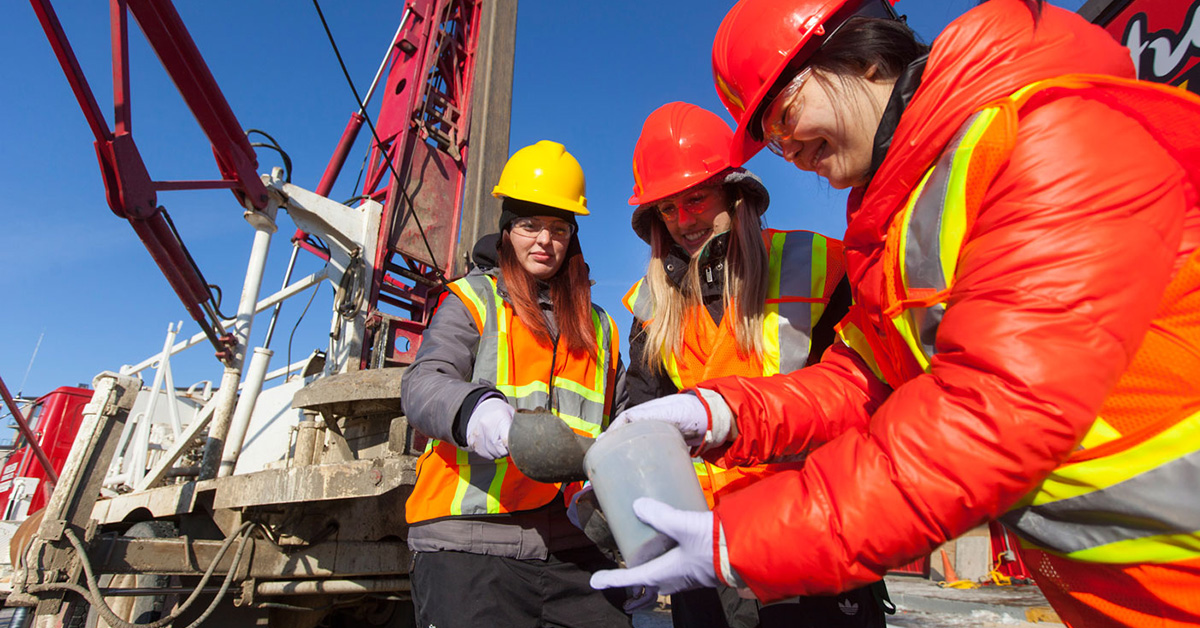
As a key part of the investigation, students and faculty at Saskatchewan Polytechnic’s BioScience Applied Research Centre are developing tests and collecting and analyzing groundwater and mineral samples from a former gas station site to determine the effectiveness of eco-friendly soil remediation.

Trevor Carlson, Director of Sustainability at Federated Co-operatives Limited says, “This technology will enable FCL to remediate contaminated sites without negatively impacting the environment, transferring contaminated soil to a landfill or disrupting business activities on site.”

Industry: Environmental
Funded by: College-University Idea to Innovation (CU-I2I) Grant

About Saskatchewan Polytechnic

Saskatchewan Polytechnic serves students through applied learning opportunities on Treaty 4 and Treaty 6 Territories and the homeland of the Métis people. Learning takes place... Learn more